IUI vs. IVF: Which Fertility Treatment Option is Right for You
September 21, 2023 | Last updated: April 17, 2026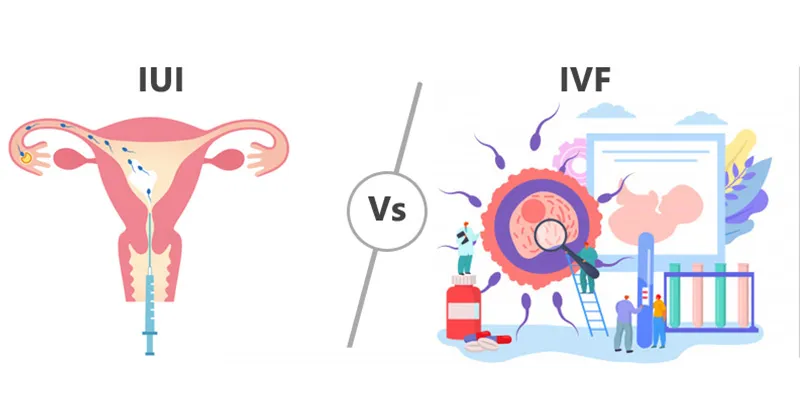
The journey to parenthood requires you to have the best decision-making abilities, especially when choosing the best fertility treatment. With a wide variety of fertility treatments available, two of the most commonly recommended ones are intrauterine insemination (IUI) and in vitro fertilization. Both these treatment options have proved beneficial for couples on their journey of parenthood.
However, understanding the differences between the two is important for making the best decision. So, are you also in a dilemma about the best fertility treatment out of the two? This blog will definitely clear all your uncertainties regarding IUI vs IVF. Additionally, the blog will present a clear picture of the differences, procedures, benefits, and much more.
What Is Intrauterine Insemination (IUI) and How Does It Work?
Intrauterine Insemination (IUI) or artificial insemination is a treatment procedure that treats infertility. It is a simple and less invasive treatment procedure than IVF. During this procedure, specially washed and concentrated sperm are placed into the woman’s uterus, an organ where the baby develops.
The sperm sample is usually placed around the time of a woman’s ovulation (release of an egg from the ovary). This procedure is highly beneficial for couples with male factor infertility as it boosts the chances of pregnancy by placing the sperm near the egg.
However, before undergoing IUI, the couple must undergo several tests as recommended by a doctor to assess the quality of their sperm, uterus, and egg. These tests will help determine the best treatment option for you.
What Are the Key Benefits of Choosing IUI Treatment?
IUI is particularly beneficial for couples facing various infertility issues, including unexplained infertility and male factor infertility. Below are some of the benefits of IUI:
- Why Is IUI Considered a Simpler Alternative to IVF?: IUI is a simpler and less invasive procedure than IVF. Your doctor will ask you to lie down for the treatment, and the sperm sample will be directly inserted into your uterus through a catheter. IVF, on the other hand, requires egg or embryo retrieval.
- How Affordable Is IUI Compared to Other Fertility Treatments? : IUI is a cost-effective and easily affordable procedure. It is easily affordable for couples looking for a budget-friendly fertility treatment option.
- Does IUI Cause Any Major Side Effects?: IUI causes minimal or no side effects. Though the procedure involves the use of fertility medicines to stimulate egg release, no major side effects have been noticed in females.
- How Does IUI Help Improve Sperm Quality Before Insemination?: IUI involves a sperm-washing procedure wherein prostaglandins and other infectious agents are removed from the sperm, which enhances sperm quality.
Intrauterine Insemination (IUI) is a popular fertility treatment, but it has several limitations that potential patients should consider.
What Are the Limitations of IUI That Couples Should Know?
Overall, while IUI can be an effective option for many couples facing infertility, it is important to understand these limitations:
- Why Does IUI Have Lower Success Rates Than IVF?: When comparing IUI vs IVF success rates, IUI has a lower success rate than IVF. IUI primarily relies on natural fertilization, which might not happen in couples with complex fertility problems.
- Why Does IUI Offer Less Control Over the Fertilization Process?: IUI has no control over fertilization as it happens naturally within a female’s body. On the contrary, fertilization is done in a lab under optimal conditions in IVF.
- When Is IUI Not Suitable for Complex Fertility Conditions?: When comparing IUI vs IVF effectiveness, IUI is not meant for couples with complex fertility issues like blocked fallopian tubes, endometriosis, or severe male infertility.
- Does IVF Increase the Risk of Multiple Pregnancies?: When comparing the chances of twins in IUI vs IVF, IUI can increase the chances of you having twins or triplets because you will be asked to take fertility medications, which might cause the release of more than one egg.
Now, let’s look at IVF and how it is different from IUI and the benefits it offers.
Also Read: What To Expect Post-IUI Treatment
What Is IVF and How Is It Different From IUI?
IVF, or in vitro fertilization, is a type of advanced fertility treatment wherein the fusion or fertilization of sperm and egg takes place in a lab under a controlled environment. IVF is especially recommended for couples who fail to conceive after trying other fertility treatments or have complex fertility problems.
During IVF, your doctor will prescribe certain medications to stimulate ovulation. After the ovary has released the eggs, they will be retrieved from your body through surgery. The egg will then be fertilized in the laboratory. After the fertilization is complete, the embryo will be carefully transferred to your uterus for further growth.
What Are the Main Benefits of IVF Over Other Fertility Treatments?
When comparing the success rates of IUI vs IVF, IVF always has a higher success rate, especially for couples with severe fertility issues or for women who are in their advanced maternal age. Here are some of the benefits of choosing IVF:
- How Does IVF Offer Better Control Over Fertilization and Genetics?: IVF offers better control over fertilization than IUI because the procedure takes place in a lab. Additionally, IVF allows for genetic testing of the embryo to rule out genetic abnormalities even before they are implanted.
- Why Is IVF Recommended for Couples With Complex Fertility Problems?: IVF is a highly suitable treatment option for couples with major fertility problems like low sperm count or infertility, poor sperm quality, blocked fallopian tubes, or endometriosis. Additionally, it is a boon for couples who struggle to conceive despite trying various other fertility treatments.
- How Does IVF Allow Couples to Preserve Embryos for the Future?: One of the most significant benefits of IVF is that it allows you to freeze your embryos for the future. Hence, females who want to start a family later can preserve their eggs.
- Can IVF Help Reduce the Risk of Miscarriage?: IVF can significantly reduce the risk of miscarriage as it allows your doctor to choose the healthy embryo for implantation.
Also Read: 5 Things to Avoid After Embryo Transfer
What Are the Limitations of IVF That Patients Should Consider?
IVF, too, has limitations that you need to consider before choosing this treatment.
- Why Is IVF More Expensive Than IUI?: When comparing IUI vs IVF price, IVF is a more expensive procedure than IUI owing to its complexity. IVF involves egg retrieval, fertilization under optimal conditions, and implantation of the embryo, making it costlier than IUI.
- Is the IVF Procedure More Painful and Invasive Than IUI?: When comparing IUI vs. IVF, IVF is a more painful procedure than IUI as it involves egg retrieval and multiple injections to stimulate the ovaries for egg release and implantation into the uterus.
- Does IVF Increase the Risk of Multiple Pregnancies?: IVF can increase your chances of having multiple pregnancies due to the transfer of more than one embryo. Though some couples might love multiple pregnancies, it can cause complications, like preterm labor.
Which Is More Costly — IUI or IVF?
IVF is costlier than IUI because it involves multiple steps, including egg retrieval, fertilization in the lab, and implantation of the healthy embryo. The cost further increases when you opt for additional procedures like genetic testing or you require some other medications.
Which Is More Painful — IUI or IVF?
IVF is more painful than IUI because of the complexity of the technique. During IUI, washed and concentrated sperm are injected into your uterus through a catheter, making it less uncomfortable. However, IVF involves a multitude of steps wherein eggs are retrieved from your body through a minor surgical procedure. Additionally, your doctor might administer certain hormonal injections to stimulate your ovaries. These injections can cause pain, discomfort, bloating, and other side effects.
Is IVF More Effective and Successful Than IUI?
IVF is more effective and successful than IUI. Though IUI is a simple procedure, it is unsuitable for couples with major infertility issues. IVF, on the other hand, is highly beneficial for couples as it allows for better fertilization control, healthy embryo transfer, and genetic testing for embryo screening.
Additionally, IVF is highly effective and the treatment of choice for couples over 35 years. The success of IUI highly depends on the woman’s age, egg and sperm quality, and underlying fertility problems. Though IUI is a noninvasive procedure, IVF offers a higher success rate.
It is best to consult with a fertility specialist who can evaluate your specific situation and recommend the most suitable treatment option based on factors such as age, medical history, and fertility test results.
Maintaining a healthy lifestyle by eating a balanced diet, exercising regularly, managing stress, and avoiding smoking and excessive alcohol consumption can positively impact your fertility journey.
The number of cycles required can vary depending on individual circumstances. Some couples may achieve success in the first cycle, while others may require multiple attempts.